
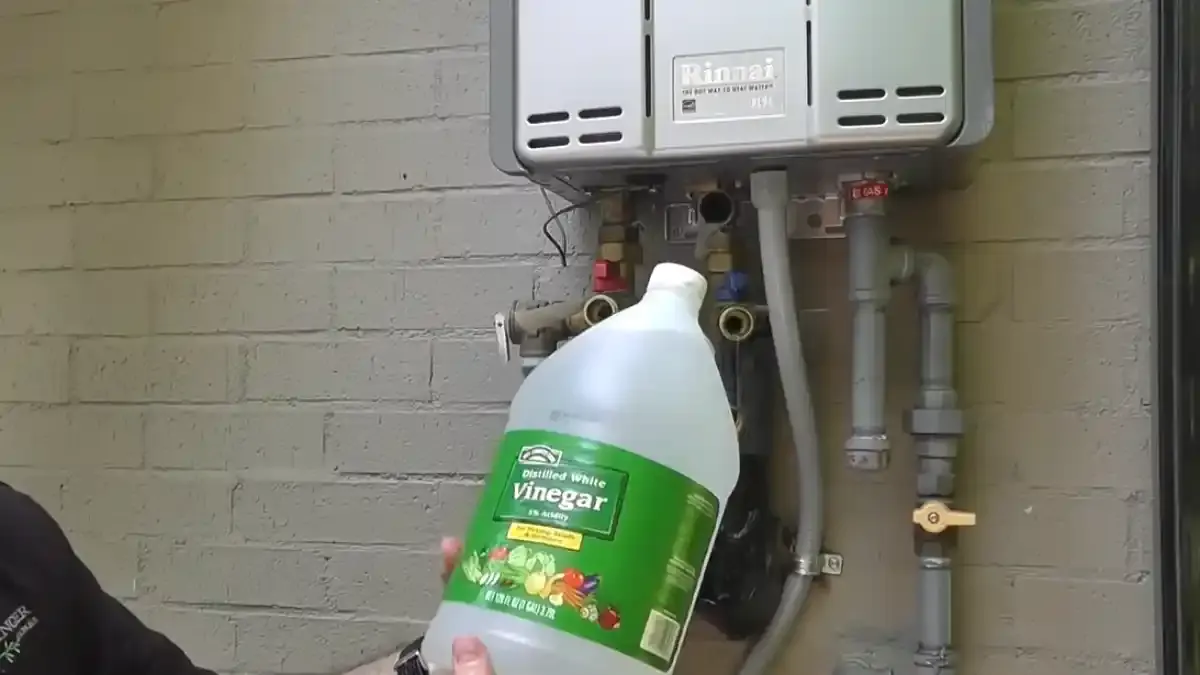
Hot water made when you ask for it
A tankless water heater has no storage tank. When a hot tap opens, a flow sensor tells the unit to fire, and cold water running through a heat exchanger leaves at the set temperature. Close the tap and the heating stops, so the unit does not keep a tank of water warm all day.
The US Department of Energy says these units avoid the standby losses of storage heaters and usually last more than twenty years. The catch is capacity: a unit heats only as much water per minute as its burner or elements allow. That is why sizing, fuel and venting matter more here than on a standard tank, and why our tankless water heater service starts with a look at how your household actually uses hot water.
Tank versus tankless at a glance
The two designs make the same hot water in different ways, and the differences show up in daily use.
| Feature | Storage tank | Tankless |
|---|---|---|
| Hot water supply | A set volume, then a recovery wait | Continuous while the unit keeps up with flow |
| Standby heat loss | Yes, water is kept hot all day | None, it heats only on demand |
| Typical lifespan | Roughly 10 to 15 years | Often 20 years or more with care |
| Footprint | Floor space for a tank | Wall mount, small |
| Venting and gas supply | Standard flue on gas models | Often larger gas line and special vent |
| Maintenance | Anode check and tank flush | Periodic descaling flush |
Figures for lifespan and flow come from Department of Energy guidance. Your own results depend on water quality, usage and installation.
Gas or electric: choosing the fuel
Gas tankless
Gas units generally deliver higher flow rates, which suits a family with two showers going at once. They need a gas line sized for the load, a combustion air supply and a vent made for the unit. In a house with natural gas or propane already, this is the common choice.
Electric tankless
Electric units are compact and vent-free, which makes them handy for a remote bathroom or an addition. The trade-off is a large electrical demand, and a whole-house electric unit may need heavy-gauge wiring and spare capacity in the panel. Check the panel before buying anything.
Flow rate: the number that decides if you will be happy
The Department of Energy puts typical tankless output at two to five gallons per minute. A shower often uses around two gallons per minute, a dishwasher or washing machine adds more, and a kitchen tap adds a little more again. If those run together and the total exceeds the unit's rating, the water will not reach the set temperature.
Temperature rise is the second half of the story. Incoming water in a New England winter is much colder than in August, so the same unit delivers fewer gallons per minute at the same hot temperature in January than in July. A good sizing plan uses the coldest water of the year, not the average, and that is a question to put to the installer.
Quick sizing method
List the fixtures you would run at once, add up their flow, then check the unit's rating at the winter temperature rise. If you regularly run a shower, a laundry load and a dishwasher together, ask about two units or a larger model.
What installation involves
A tankless install is not a swap of one box for another. These are the stages a licensed plumber works through.
Survey the house
The plumber checks fuel, gas line size, panel capacity, the current vent path and the location of the old tank.
Size the unit
Flow, temperature rise and the number of bathrooms set the model.
Rough in gas, water and vent
Gas piping, cold and hot connections and the vent route are run to the new wall location. Condensing models produce acidic condensate that needs a drain.
Connect and commission
The unit is filled, tested for leaks and combustion, and set to the target temperature.
Inspection
Permitted work is reviewed by the local inspector, a topic covered in our guide to permits for replacing a water heater.
Is a tankless unit right for your house? A checklist
Run through these before you talk to anyone about brands.
Questions to answer before you decide
- Do you have natural gas or propane, or only electricity?
- How many bathrooms and how many people use hot water at the same time?
- Is there a clear route for a new vent, and is the gas meter and line big enough?
- Does the electrical panel have room if you are considering an electric unit?
- Are you comfortable with an annual descaling flush, or will you arrange one?
- Is the old tank near the end of its life, so replacement is happening anyway?
- Do you plan to stay long enough to benefit from a longer-lived unit?
Easton's water and your heat exchanger
Mineral scale narrows the passages in a heat exchanger and cuts efficiency, so water quality affects how often a tankless unit needs a flush. Easton gets its water from groundwater wells run by the town Water Division. A 2023 town newsletter reported an iron and manganese treatment plant under construction on Red Mill Road, and the Water Division posts an annual water quality report with current test results.
No hardness number has been confirmed for every street, so we will not guess one. Read the annual report for your area or have your tap tested, and ask your installer to build a flushing schedule around what you learn. If you have a private well instead of town water, a water test matters even more before you buy.
Source type: Town of Easton Town Crier newsletter, June 2023, and the Easton Water Division annual water quality report
Honest trade-offs
On-demand heating solves some problems and adds others.
What you gain
- No standby heat loss from a stored tank
- A compact unit that frees floor space
- A longer expected life than a tank
- Hot water that does not run out during a long shower, within the rated flow
What you take on
- A higher upfront installation scope, with gas line, vent or electrical upgrades
- A flow limit when several fixtures run together
- A cold water sandwich of a few seconds as the unit fires
- Regular descaling, especially with mineral-rich water
If a failing tank is the real issue and a like-for-like swap is all you want, the water heater replacement page covers that route.
Venting and combustion air, in plain terms
Gas tankless units burn fuel faster than a tank burner, so they need more air and a vent made for their exhaust. A condensing model recovers extra heat and sends out cooler exhaust through plastic vent pipe plus a condensate drain. A non-condensing model runs hotter and needs stainless or similar vent material that the manufacturer specifies.
Follow the maker's instructions exactly. A wrong vent size or an unsealed joint can put exhaust into the living space, so this is not an area for improvisation. Installation should also include a working carbon monoxide alarm near the sleeping areas.
Tankless questions from Easton homeowners
It can, but mineral content affects scale and flush frequency. Check the Easton Water Division annual report, or test your tap if you have a private well, before you pick a model.
Sometimes. The tank location may lack a vent path, a large enough gas line or the electrical capacity. A site survey answers it, and the same crew can also handle water heater installation if you decide to stay with a tank.
Most gas units still need electricity for the controls and fan, so they do not heat water in an outage unless you have a backup supply. Ask about this if outages concern you.
Follow the manufacturer's schedule, usually at least annually, and shorten the interval if your water leaves heavy deposits.
Savings depend on how much hot water you use. The Department of Energy reports larger efficiency gains for low-use homes than high-use ones, so a small household benefits more than a large one.