
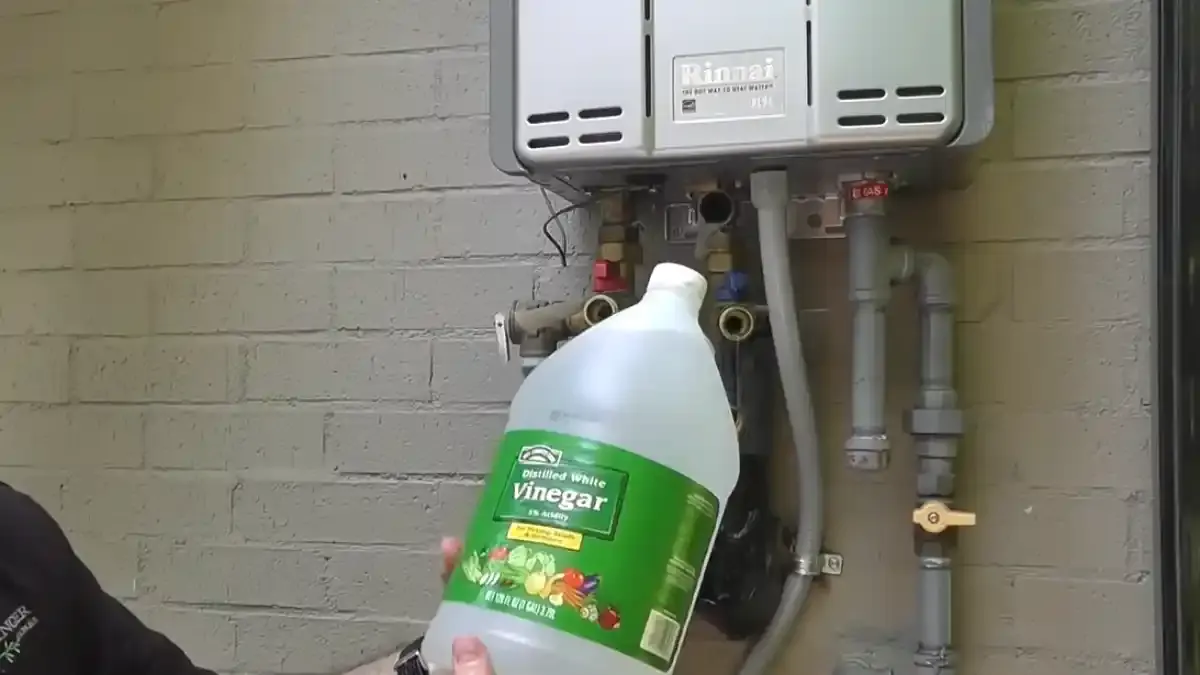
How a tankless heater differs from a tank
A tank keeps forty or fifty gallons of water hot all day. A tankless unit keeps nothing in storage and heats water only when a tap opens, using a gas burner or electric elements. That removes the standby loss and the risk of a large tank failing, and it can supply hot water for as long as the demand stays within the unit's flow rating.
The catch is the flow limit. If two showers and a dishwasher run together, the unit may not keep up, and the water temperature drops. That is a sizing issue, so the plumber starts with your fixtures and incoming water temperature and not just a brand.
Tank or tankless: the real trade-offs
Neither choice wins everywhere. The honest comparison depends on your house.
Tankless strengths
- Endless hot water within the flow limit
- No standby heat loss
- Smaller footprint on a wall
- Typically a longer service life than a storage tank when maintained
Tankless drawbacks
- Larger installation scope, with gas line, vent or electrical upgrades
- Flow limit when many fixtures run at once
- Needs periodic descaling in mineral-rich water
- Parts and repairs can be more specialized
If your current tank is failing right now, our replacement page explains how emergency swaps work. A planned conversion follows the steps below.
Types of tankless systems
Gas tankless
Most whole-house tankless units in New England homes burn natural gas or propane. They need a gas line large enough to feed the burner, sealed venting that exits the wall, and usually a drain for condensate on high-efficiency models. A smaller old gas pipe is a frequent hurdle.
Electric tankless
Electric units avoid venting entirely, which makes them easy to place. Their weakness is electrical demand, since whole-house models draw a large load and may call for a panel upgrade. They suit point-of-use jobs such as a distant bathroom or a small addition.
Hybrid and heat pump systems
A hybrid, or heat pump, water heater is a storage tank with a heat pump on top, so it is not tankless. It pulls heat from room air and falls back on elements when needed. It is worth a look if your basement has air space and a drain.
Considering a tankless conversion
Call and tell us your fuel, your fixtures and the room. We will say whether it fits.
Signs a tankless heater needs service
Cold water sandwich or temperature swings
A pocket of cold water between hot bursts can be a flow sensor or scale issue. It is a common complaint and usually fixable.
Error codes on the display
Codes point to ignition, venting, flow or sensor problems. Write the code down before you reset it.
Reduced flow or lukewarm output
Scale inside the heat exchanger or a clogged inlet filter reduces performance. A flush often brings it back.
Clicking with no flame
On gas units this can be ignition or gas supply trouble. If you also smell gas, leave the house and call your gas utility or 911.
Water hot at the unit but weak at taps
That can point to partially closed isolation valves or blocked filters, not the burner.
Short cycling
The unit turns on and off rapidly at low flow. It may need a minimum-flow adjustment or fixture changes.
How a descaling flush works
Maintenance is what makes a tankless unit last, and it is the part most owners skip.
Shut off power and gas
The unit is turned off, and the water isolation valves are closed.
Connect the flush kit
A small pump and hoses connect to the service valves so descaling solution circulates through the heat exchanger.
Circulate the solution
Circulation time follows the manufacturer's instructions for your model.
Rinse and clean the filter
Fresh water flushes the solution out, and the inlet screen is cleaned.
Restore and test
Valves reopen, the unit relights, and flow and temperature are checked.
The right frequency depends on your water. Easton's annual water quality report and a simple tap test help show how mineral-heavy it is. Ask us if service valves are missing, because they should be added during the flush.
Venting, gas supply and permits in Massachusetts
A tankless install often needs a larger gas line than the old tank did, plus sealed venting through an exterior wall. Both are permitted work under 248 CMR, so a licensed plumber or gas fitter pulls the permit and the inspector checks the result. If a contractor says the permit is optional, treat that as a warning and verify their license on the state lookup.
Gas appliance work carries its own risk. Combustion air, clearances to windows, and carbon monoxide protection all matter, and a new CO alarm near sleeping areas is a sensible companion to any fuel-burning appliance.
Is tankless a good fit for an Easton house
Older village homes sometimes have a small gas service and no easy wall for venting, which pushes the cost and complexity up. Newer subdivisions usually have an easier path. The outdoor wall where the vent exits also matters in winter, since drifting snow can cover it if the termination sits too low.
Households with high simultaneous demand do better with a larger unit or two units. Low-use households may save little, because the savings come mostly from standby loss. We will tell you if a good tank or a standard installation is the better call.
What drives the cost of tankless work
We provide a clear price before work starts. These pieces shape it.
What moves the price
Ask your utility whether any efficiency rebate applies before you buy, and save the model and serial numbers for warranty.
☎ Want your real number? Call (508) 389-4045Tankless water heater questions from Easton homeowners
Endless within its flow rating. If several fixtures run at once, the unit may not keep up, which is why sizing matters.
It depends on the water. Check Easton's annual water quality report or test your tap, and ask us for a schedule based on what you find.
We do both. For stubborn or older units, we explain whether a repair is wise or a replacement makes more sense.
Yes. Massachusetts requires a permit for plumbing and gas fitting work, pulled by a licensed professional.
Shut off the water and power. If you smell gas, leave and call your gas utility or 911 first. Then call us for a repair visit.