
What soda and vinegar can and cannot do
Baking soda and vinegar will freshen a drain and loosen a thin film of soap and grease. They will not dissolve a hairball, cut a root, or clear a pipe that is stopped solid. The fizz you see is a reaction that produces water, carbon dioxide and sodium acetate, and most of the foam is just air.
So treat the combination as light upkeep for a slow sink, not a repair for a blockage. If water is standing in the basin or backing up from the floor drain, skip the kitchen chemistry and call. The rest of this guide shows the right way to use it, where it helps, and where it can hurt.
Where it helps and where it does not
| Problem | Will soda and vinegar help? | Better option |
|---|---|---|
| Smelly bathroom sink | Yes, often | Clean the stopper and overflow, then flush with hot water |
| Slow kitchen sink with grease film | A little | Hot water flush after, or a trap clean-out |
| Hair clog in a tub | No | Drain snake or a hair catcher tool |
| Standing water in a sink | No | Plunger first, then a cable or a call |
| Several fixtures slow at once | No | Main line problem, see sewer line cleaning |
| Roots or collapsed pipe | No | Camera and cutting tools |
The method that works best
If the drain is only slow or smelly, this is the version worth trying once.
Clear the surface
Remove the stopper and pull out any visible hair or gunk. Wipe the drain opening.
Pour in the soda
Add about half a cup of baking soda directly into the drain. Use a spoon to push it down.
Add the vinegar
Pour in an equal amount of white vinegar. Cover the drain with a plug or a wet cloth so the reaction stays in the pipe.
Wait
Let it sit for 15 to 30 minutes. Do not pour anything else in during this time.
Flush
Run hot tap water for a minute or two to carry loosened film along. Avoid boiling water on plastic pipe or a cracked porcelain basin.
If you repeat this more than twice and the drain is still slow, stop. The clog is something solid, and more fizz will not move it.
If you are on septic in Easton, read this first
Parts of Easton are on town sewer and parts use private septic systems, so the right advice depends on your lot. Massachusetts guidance for homeowners says to pump a septic tank every two to three years, to avoid chlorine bleach, and not to use commercial septic tank cleaners. It also tells owners to keep grease and cooking oil out of the drain and to avoid overloading the system with garbage disposal waste.
A light dose of baking soda and vinegar is a gentle approach compared with caustic openers, and it is unlikely to harm a tank. The bigger risk is what you do when it fails. Pouring a commercial opener on top, or flushing with bleach, can disturb the bacteria your tank depends on, and a backup that keeps returning may be a full tank or a failing leach field instead of a clog.
Source type: Mass.gov septic system guidance and MassDEP Title 5 homeowner tips
What to keep out of the drain
A clean drain depends more on habits than on products.
Kitchen grease
Fat cools and coats the inside of a pipe, then catches everything that follows. Pour it into a can, let it set, and put it in the trash. This matters twice as much on septic, where grease can also clog the soil.
Wipes and paper products
Flushable wipes are the main reason for blocked toilet lines. Only toilet paper breaks down fast enough. Put everything else in the trash.
Hair and soap scum
Hair is the number one bathroom clog. A cheap catcher in the tub and sink stops it before it reaches the trap, and takes seconds to empty.
Soda and vinegar versus a chemical opener
People reach for one or the other. Here is how they compare.
Baking soda and vinegar
- Mild, low cost and low risk
- Helps with odor and light film
- Safe for most pipe materials in normal use
- Not effective on solid clogs
- Does not replace a snake or jet
Commercial caustic opener
- Strong chemicals that can burn skin and eyes
- Can damage some pipes or fittings if it sits
- Not recommended for septic systems
- Dangerous for the next person who opens the trap
- May leave the clog in place anyway
If a bottle of opener has already gone down the drain, tell the plumber before they open the trap. The liquid may still be sitting in the pipe.
Drain care checklist
Small routines beat emergency calls.
Monthly upkeep that keeps clogs away
- Use a hair catcher in every shower and tub
- Scrape plates into the trash before rinsing
- Run hot water for a minute after washing dishes
- Pour grease into a can, never down the sink
- Clean pop-up stoppers and sink overflows monthly
- Do a soda and vinegar treatment once a month at most
- Keep wipes, floss and cotton out of the toilet
- If on septic, keep a pumping record and stick to the schedule
- Note which fixtures slow down first, because the pattern helps a plumber
Signs it is time to call
Call when more than one fixture is slow, when a toilet gurgles after the washing machine drains, or when a basement floor drain bubbles. Those point to the main line, not a single trap. Also call if a clog returns within days of being cleared, or if you smell sewage that does not go away.
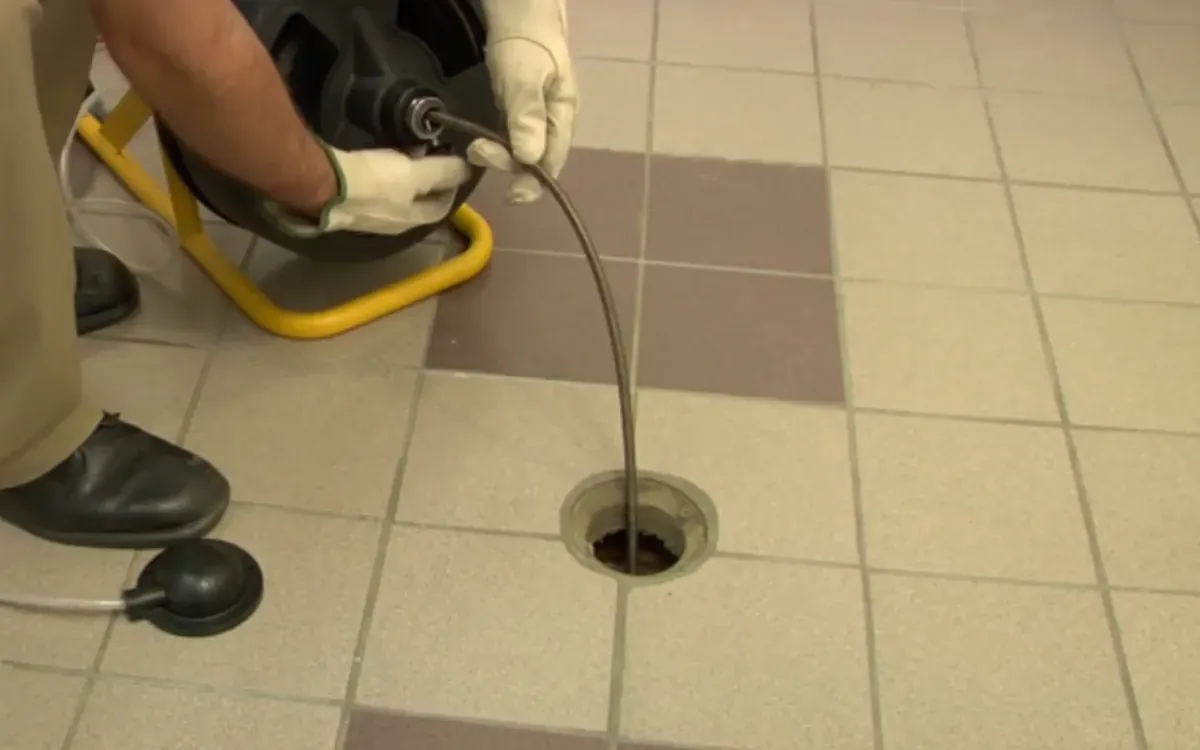
Older Easton homes may have cast iron or clay drains that roughen with age and catch roots. Professional drain cleaning uses cable machines that cut through hair and roots, and when grease is the cause, hydro jetting scours the pipe wall. A camera look afterward shows what the pipe really looks like.
Nearby towns, same rules
Homeowners in Brockton and Norton face similar clogs, and the same cautions apply wherever you live. Ask your local board of health or building department if you are not sure whether your lot is on septic.
Septic guidance behind this post
According to MassDEP's septic guidelines, commercial septic cleaners, bleach and grease should stay out of the system. Baking soda and vinegar in small amounts are not the concern. Repeated clogs are.
Drain questions from Easton homeowners
In small amounts, yes. State guidance warns against commercial septic cleaners and bleach, which are the real hazards. Pump the tank on the schedule recommended for your home.
Check your tax or property records, look for a septic tank cover or leach field in the yard, or ask the Easton board of health or building department.
Not in normal use. Plain vinegar is a weak acid, so keep contact short and flush afterward.
Skip the soda and vinegar. Use a plunger, then a hand snake. If water does not move, call a plumber.
Hot tap water is enough. Boiling water can soften or warp PVC and crack some porcelain.
Not on its own, but it can signal a vent or main line problem. If water backs up in a tub or floor drain, stop using water and call.