
Commercial plumbing is not residential plumbing at a larger scale
Commercial buildings have longer pipe runs, bigger fixtures, more simultaneous users and tighter code obligations. A restaurant dishwasher, a retail restroom core and an office break room each stress a system differently.
The consequences are different too. A residential clog costs a morning. A commercial one can close a kitchen, fail a health inspection or send customers home. Good commercial plumbing is partly repair and partly planning the work around your hours.
What to do first when a business plumbing line fails
Protect people and stock first. Close off the affected area, put out wet floor signs and move inventory off the floor. If water is near electrical equipment, switch off power only from a dry spot or leave it alone and tell the dispatcher.
Find the main shutoff for the building and any isolation valves for the affected area. Stopping the flow limits damage while you wait. Then call the 24/7 line and describe the type of business, the fixtures out of service and whether the issue is water coming in or coming out.
Who we work with
Restaurants and food service
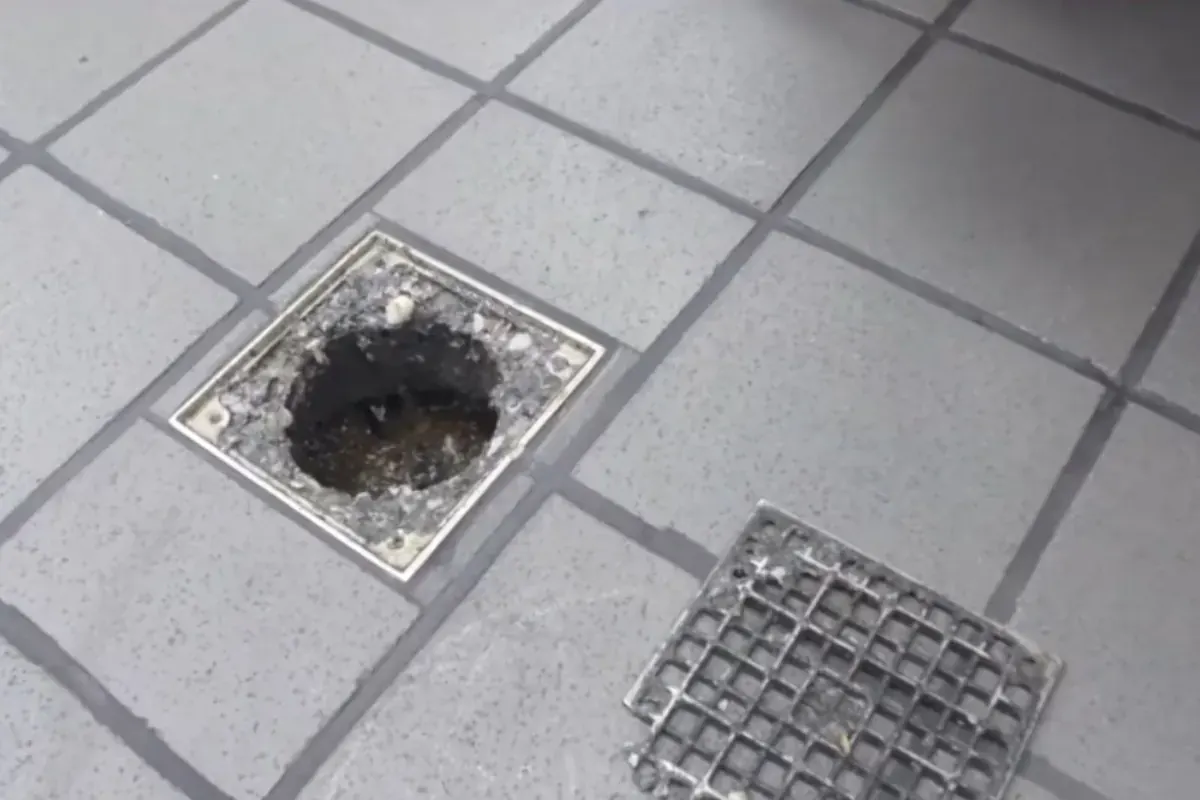
Kitchen drains, grease interceptors, dishwashers, hand sinks and floor drains. Grease is the repeated cause of failure.
Offices and professional buildings
Restroom clogs, flush valves, leaking supply lines and water heaters serving shared spaces.
Retail and plazas
Restrooms, mop sinks, drains in back rooms and loading areas, and roof leaks that reach plumbing.
Schools, gyms and institutions
High-use fixtures, showers and mechanical rooms that run nonstop.
Light industrial and shops
Floor drains, wash sinks, compressed air lines, and sampling points.
Property managers
Multi-tenant buildings where a single clog affects several units at once.
Grease traps and interceptors
Fats, oils and grease harden inside drain lines and cause a large share of sewer blockages. A grease trap or interceptor catches them before they reach the municipal line or your own septic system, but only if it is cleaned on schedule.
Maintenance intervals vary by device and by local rules, so ask the Easton building department or the sewer authority what applies to your establishment. Whatever the interval, keep a log of pumping and cleaning. Waiting until the trap smells or the line backs up means you are already behind.
Signs your grease trap is overdue
Slow floor drains, a sour smell in the kitchen, grease visible at the cleanout and repeat clogs soon after the line is cleared. Regular service plus hydro jetting of the kitchen line keeps the whole system moving.
Business plumbing emergency
Call the 24/7 line. Tell us the kind of business, what is out of service and when you need to reopen.
Backflow prevention and testing
Backflow devices stop used or contaminated water from flowing back into the public supply. Commercial dishwashers, boilers with chemical treatment, irrigation systems, cooling equipment and beverage dispensers are the kinds of connections that need protection.
Under the Massachusetts cross-connection rules in 310 CMR 22.22, reduced pressure and double check assemblies are tested by a MassDEP certified tester. The state manual calls for semiannual testing of the first type and annual testing of the second. A failed device has to be repaired or replaced and retested within 14 days.
What to do with the report
Test results are recorded on a report form and go to the water supplier. Ask the Easton Water Division how it wants reports delivered, and keep your own copy with the building records.
Storm drain and catch basin cleaning
Parking lots collect sand, leaves, trash and oil. A catch basin that fills up sends water across the pavement and into doors and loading docks. Roof drains and trench drains clog in the same way.
Never rinse mats, wash buckets or kitchen waste into a storm drain. Storm drains run to streams and wetlands untreated, and towns treat dumping as an illicit discharge. For lots that flood, we jet the lines, clear the basins and tell you whether a camera look at the underground pipe is worth doing.
Routine work that prevents emergencies
| Task | Why it matters | Common in |
|---|---|---|
| Grease interceptor cleaning | Prevents kitchen backups and municipal blockages | Restaurants, cafeterias |
| Backflow device test | Required for protected connections | Restaurants, offices, shops |
| Floor drain jetting | Keeps trap seals open and odor free | Kitchens, mechanical rooms |
| Water heater service | Avoids hot water outages in high-use buildings | Gyms, salons, restaurants |
| Flush valve and fixture checks | Stops running toilets and leaks | Offices, retail |
| Catch basin cleaning | Keeps lots from flooding | Plazas, shops, light industrial |
Easton commercial areas and working around your hours
Easton's commercial activity runs along its main corridors, including Route 138 and Route 123, and around the village of North Easton. Many of the businesses there occupy older buildings with a mix of plumbing from different eras, and some have septic systems rather than town sewer.
We plan non-emergency work for early mornings, evenings or closed days when we can. If your building is on septic, say so when you call, because grease and chemicals affect a septic system differently from a sewer. For sewer-side failures, the sewer line repair page covers the next step.
What affects the cost of commercial plumbing work
We give a clear price before work starts. Commercial pricing depends on several things.
What moves the price
For a large loss, notify your commercial property insurer early and document damage with photographs.
☎ Want your real number? Call (508) 389-4045Codes that apply to commercial work
Backflow device testing follows MassDEP's cross-connection rules in 310 CMR 22.22, which set retest intervals by device type. Plumbing work itself falls under the state plumbing code, 248 CMR, which sets the standards for materials and installation, so ask who is pulling the permit for any larger job.
Commercial plumbing questions from Easton businesses
Yes. The line is answered 24 hours, including weekends and holidays. Say what type of business you run and what is out of service.
For non-emergency work, yes, we plan early or late visits to avoid your busy hours when possible.
A MassDEP certified backflow tester. Ask the Easton Water Division which devices must be registered and how reports are sent.
It depends on the device and local rules, but waiting for odors is too late. Ask the building department what applies.
Yes, and we handle them differently. Tell us at the start.