
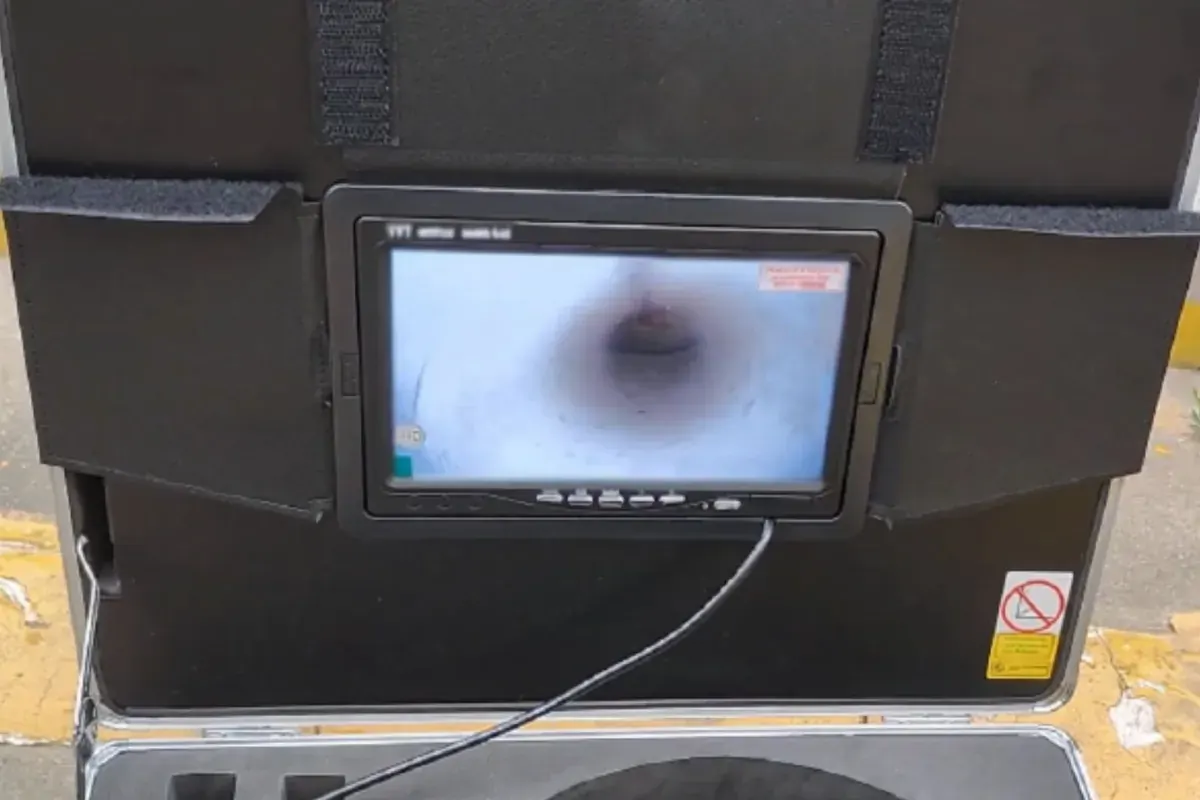
What a sewer camera inspection actually shows
The camera head sits on a flexible push rod and carries its own light. The plumber feeds it into the line through a cleanout, and a monitor shows the pipe walls in real time. Many systems also record the footage and track how far along the line a defect sits.
What you are looking for are cracks, offset joints, bellies where water pools, roots entering joints, grease buildup, scale and in older pipes, flaking or collapsing walls. A good inspection ends with a clear explanation of which findings matter and which are cosmetic.
Good reasons to book an inspection
You do not need an emergency to justify a look. These situations are common.
When a camera pays off
- You are buying an older home and want to know what the main line looks like
- Drains keep clogging weeks after being cleared
- You are planning a bathroom, basement or addition that will add load to the line
- A tree has grown near the pipe path
- Your house has an old clay, cast iron or fiber pipe and you have never seen inside it
- A previous repair needs to be confirmed
If a drain is backing up right now, skip the scheduling and go to sewer line cleaning. An inspection can follow once the line is open.
Buying or selling a home in Easton
A general home inspection does not normally include a camera in the sewer line, so many buyers add it as a separate item. For a house on town sewer, the footage can show whether the line from the house to the street has defects that would otherwise surface after closing. For a house on septic, the question is different and the state has its own process.
Under Title 5, the Massachusetts septic rule, a septic system generally must be inspected by a MassDEP-approved inspector within two years before a sale, and the property owner is responsible for arranging it. That inspection looks at the septic system, not the drain pipe from the house, so a camera look at the building sewer remains a separate, optional step. Your attorney and the Easton Board of Health can tell you what applies to a specific sale.
How the visit works
Find access
The plumber looks for a cleanout in the basement, crawlspace or yard. Without one, a toilet may need to be pulled to get the camera in.
Run the camera
The head travels the length of the line while the plumber watches and records.
Mark locations
If there is a defect, a locator at the surface finds the exact spot and depth, so the footage matches a place on the ground.
Review together
You see the footage, and the plumber explains each finding and what it means for the next few years.
Decide on next steps
That may be nothing, a cleaning, a monitoring plan or a quote for sewer line repair.
Schedule a sewer camera inspection
Call and tell us if you are on town sewer or septic. We will schedule a visit, often the same day when available.
Camera inspection or just a cleaning
The two are often confused. They answer different questions.
Camera inspection
- Shows the pipe's condition
- Finds defects before they become emergencies
- Gives you footage for a buyer, a seller or an insurer
- Does not clear the line by itself
Cable or jetting only
- Removes the blockage in front of you
- Does not show whether the pipe is damaged
- Is the right call when water is backing up now
- May be followed by a camera look to find the cause
Most good plumbers run a camera after clearing a recurring clog, because the clog was a symptom.
What local conditions mean for sewer lines
Easton has older village housing near North Easton and a lot of postwar and newer construction elsewhere. The pipe a house is built with usually matches its era, and each material has typical weaknesses: roots in clay joints, scale in cast iron, flattening in fiber pipe. A camera shows which weaknesses your line actually has.
Ask the Easton building department or the town's public works office whether your address is on town sewer. If it is, ask who maintains the connection at the street. If it is not, the pipe leads to a private septic tank, and the camera can show the inlet side of the line without replacing a Board of Health inspection.
What affects the cost of a sewer inspection
The price is clear before the camera goes in.
What moves the price
Inspection footage can support an insurance or real estate conversation, but it does not replace a seller's disclosure or a septic inspection.
☎ Want your real number? Call (508) 389-4045Standards for septic and sewer inspections
Septic homes follow MassDEP's Title 5 standards (310 CMR 15.00), including the inspection required within two years before a property is sold, done by an approved inspector. Town sewer connections follow the town's own rules, so ask Easton public works.
What to do before the camera arrives
Quick prep
- Find the cleanout if you can and clear a path to it.
- Note any slow drains, gurgling or odors and when they happen.
- Tell us whether the house is on town sewer or septic.
- Gather any earlier inspection reports or repair records.
Sewer inspection questions from Easton homeowners
Usually not. It is a planned visit. If sewage is backing up now, call the 24/7 line and we will clear the line first.
Ask the plumber when you book. Many camera systems record, and it helps if you are negotiating a purchase.
No. Title 5 covers the septic system and must be done by a MassDEP-approved inspector. A camera in the house sewer is a separate look at the pipe.
Ask the Easton public works office or Board of Health, or check your records from the closing. We can also tell you what we see once the camera is in.
Usually, but a collapse, a major offset or a very long run can stop it. The plumber will tell you where it stopped and why.